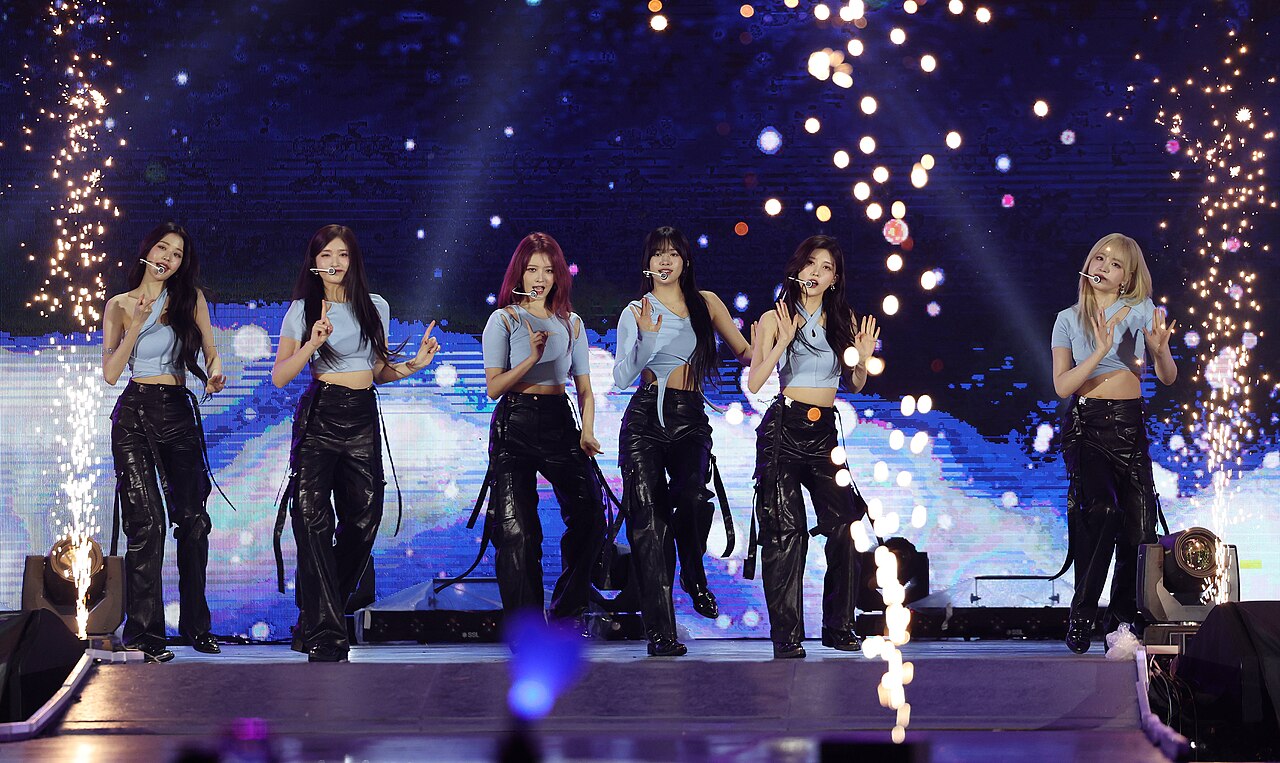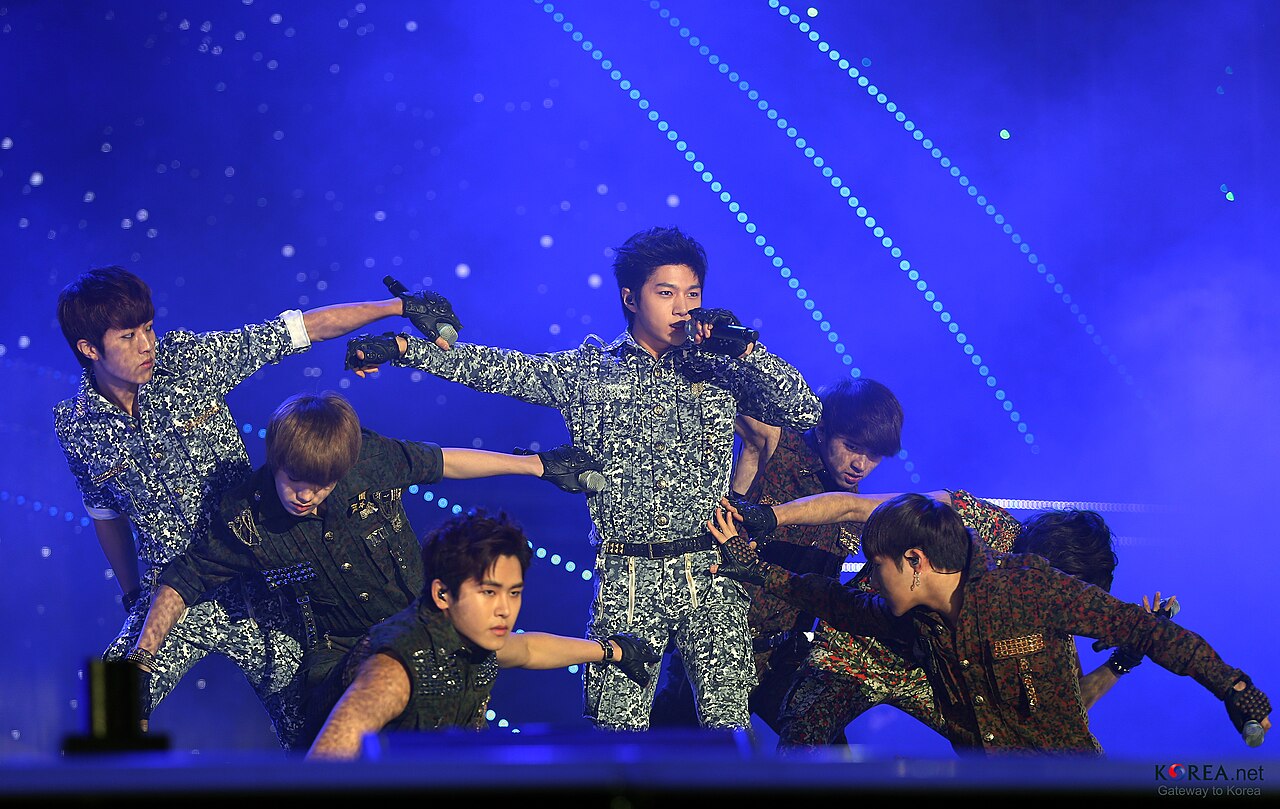
A television show once had a fairly simple life. It premiered, it found an audience, it was discussed, and then it made room for the next show. Korean entertainment now works on a much larger circuit. A title can begin on a screen and continue in a public square, a game, a brand collaboration, a language-learning app, a tourist itinerary and a thousand short-form recreations.
That circuit is not merely a marketing extension. It is increasingly part of how culture acquires public force. The most successful Korean titles do not only accumulate viewers; they create situations in which viewers can gather, imitate, debate and re-enter the story together.
Netflix’s account of the final Squid Game campaign makes the point with unusual clarity. The company reported that the first two seasons had drawn nearly 600 million views before the third season’s launch. It reported 60.1 million views for the third season in its first three days, and described fan activations across more than 25 countries. The final Seoul event, from Gwanghwamun to Seoul Plaza, reportedly brought together more than 38,000 fans.[1] These are platform figures, and should be read as such. Still, they describe a shift in the basic unit of entertainment: from a program to a world that can occupy real places.
When a Story Needs a Street
Squid Game was always more than a survival thriller. Its games, colors and symbols were designed to be recognized immediately. That recognizability made the show mobile. A giant doll, a guard’s mask or a children’s game could move from the screen into a park, a parade route or a social feed without losing its meaning.
In Seoul, the final event mattered because it placed that recognizability in a civic setting. It did not simply put a logo on a billboard. It turned central public space into a temporary venue for a global audience to encounter Korean entertainment as a shared urban experience. The city became part of the story’s distribution system.
Soft Power Is Not a Trophy
It is easy to compress such moments into a ranking. Brand Finance placed South Korea 11th overall in its 2026 Global Soft Power Index, and seventh for influence in arts and entertainment.[2] The ranking is useful because it shows that culture now sits alongside technology, commerce and education in global perceptions of the country.
But soft power is not a trophy that can be displayed once and kept forever. It is a relationship. It depends on whether a culture continues to produce work that people choose to bring into their own lives. It depends on whether the places attached to that culture remain curious, open and capable of hosting visitors without becoming a stage set for them.
The Infrastructure Behind the Image
Entertainment travels because an infrastructure makes it possible: translators, subtitlers, production crews, venue workers, software teams, festivals, local businesses, public transport and the less visible labor that helps a cultural moment survive contact with the real world. The glamorous image of global K-culture often hides this network.
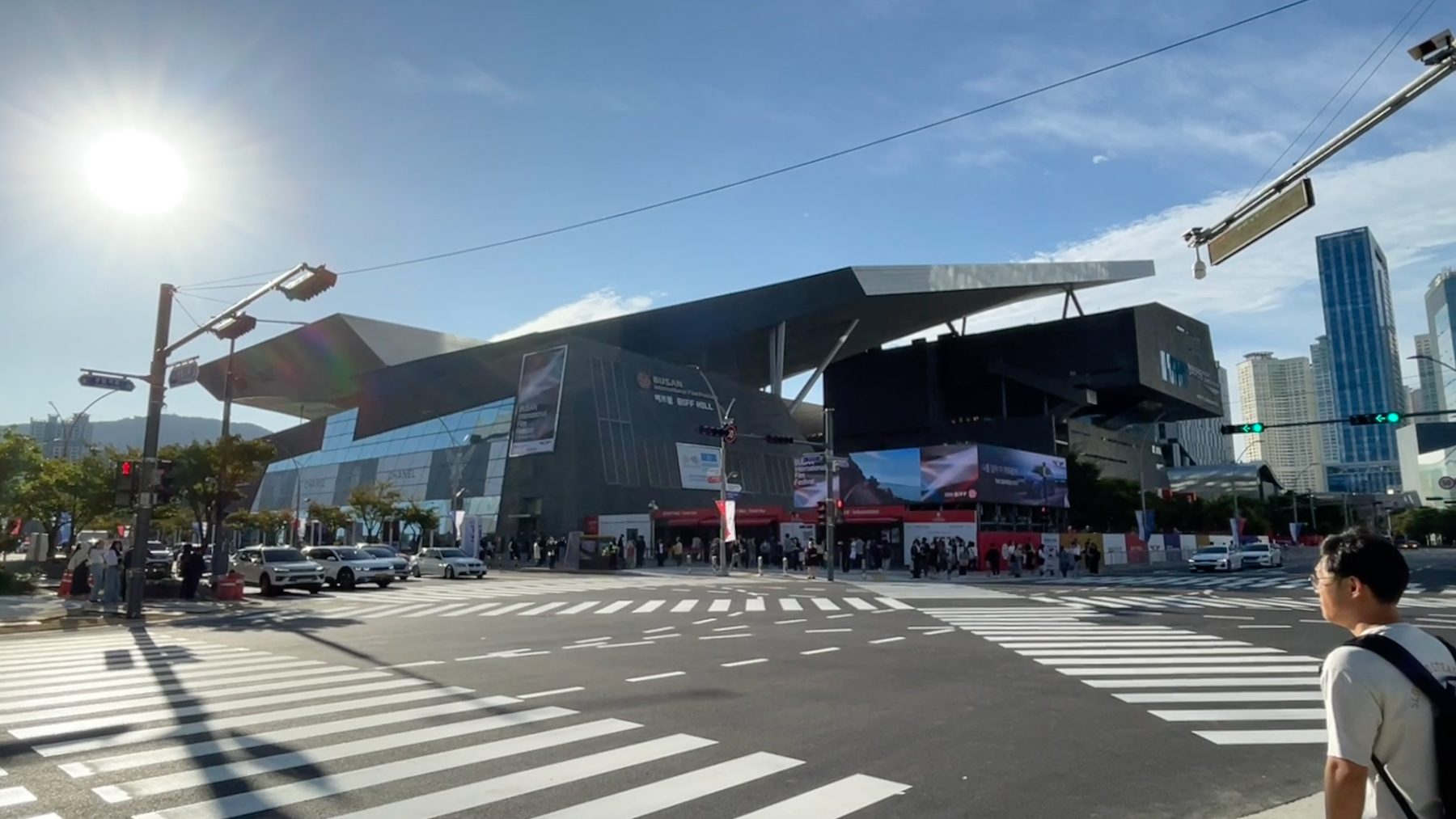
That is why the most durable Korean entertainment strategy is not simply to seek another global phenomenon. It is to strengthen the conditions that let many different kinds of stories travel. Film festivals matter because they build professional relationships as well as audiences. Broadcasters matter because they sustain formats, archives and creative workers. Public spaces matter because they give culture a place to become collective.
From Exposure to Continuity
The question after every breakthrough is whether attention can become continuity. Can a visitor who came for a television event discover a local bookstore, a cinema, a neighborhood restaurant or another Korean story? Can a fan activation leave behind more than a photograph? Can a cultural export become an invitation to read the country with greater complexity?
That is the promise—and the responsibility—of entertainment as cultural infrastructure. The screen creates the signal. The city, the institutions and the audience decide whether it becomes a lasting conversation.
Sources & Notes
[1] Netflix, “Squid Game By the Numbers: How Player 456 Took Over the World,” 1 July 2025. Platform view and activation figures are reported by Netflix.
[2] Brand Finance, “South Korea ranks 11th for global Soft Power,” 27 January 2026.