The Price of Hallyu's Triumph
What BTS, K-Beauty and Korea's Global Culture Boom Must Confront Next
When a Boy Band Becomes a National Infrastructure
On paper, it was a concert. In practice, it looked more like a stress test of a nation's cultural operating system.
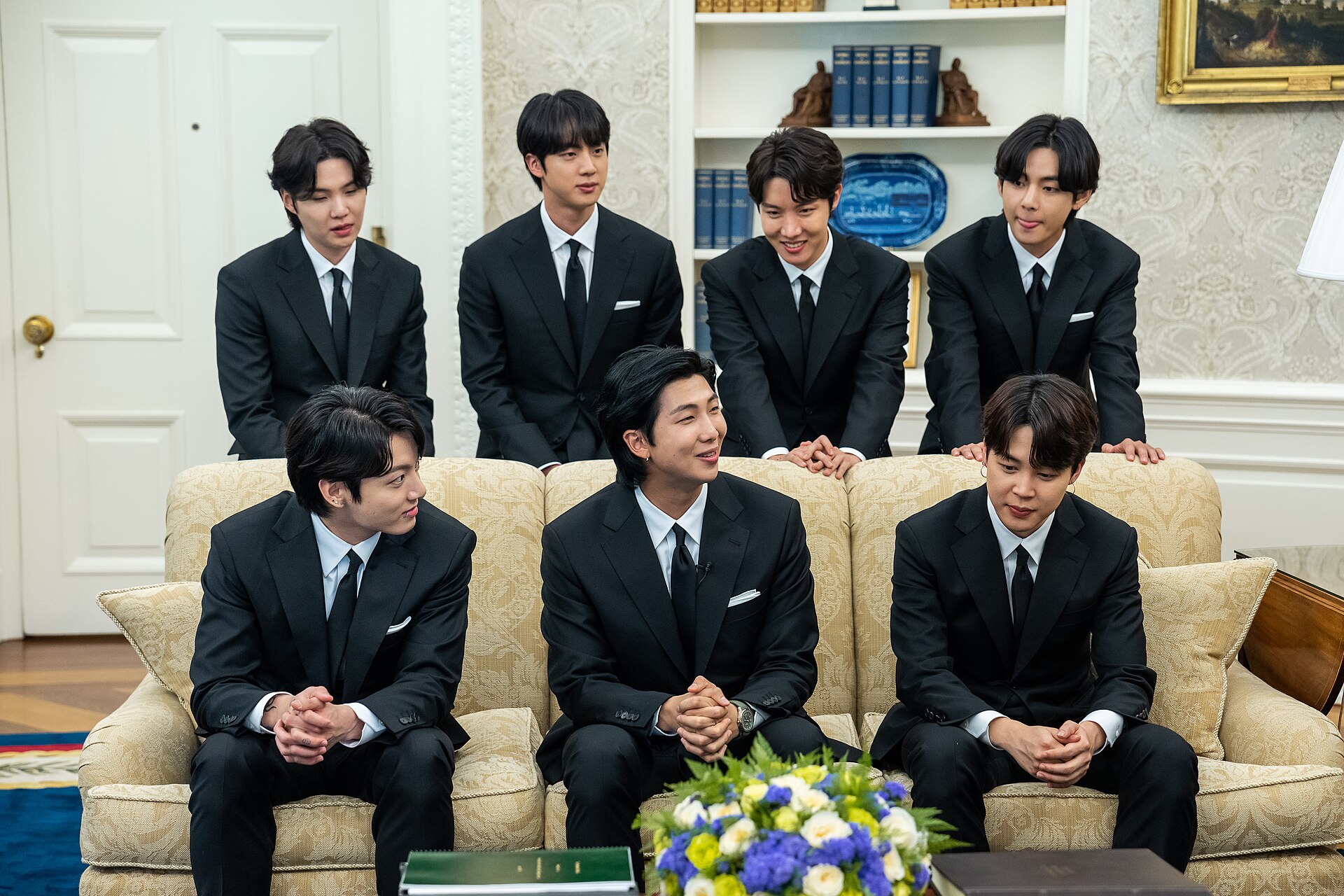
When BTS returned to the stage after years of staggered military service, Seoul was not merely hosting a pop event. It was staging a demonstration of soft power (소프트파워): hotels filled, foreign fans crossed oceans, retailers moved merchandise, Netflix carried the spectacle, and the Korean state treated the performance as a matter of public interest. Al Jazeera's report captured the scale sharply: BTS's comeback drew global livestream audiences, lifted duty-free sales, pushed department-store revenue upward and turned Gwanghwamun Square into a fan-driven tourism zone. The uploaded Al Jazeera text also records the core paradox of the moment: K-pop is now both culture and infrastructure, both fandom and national strategy.
That is the achievement. It is also the problem.
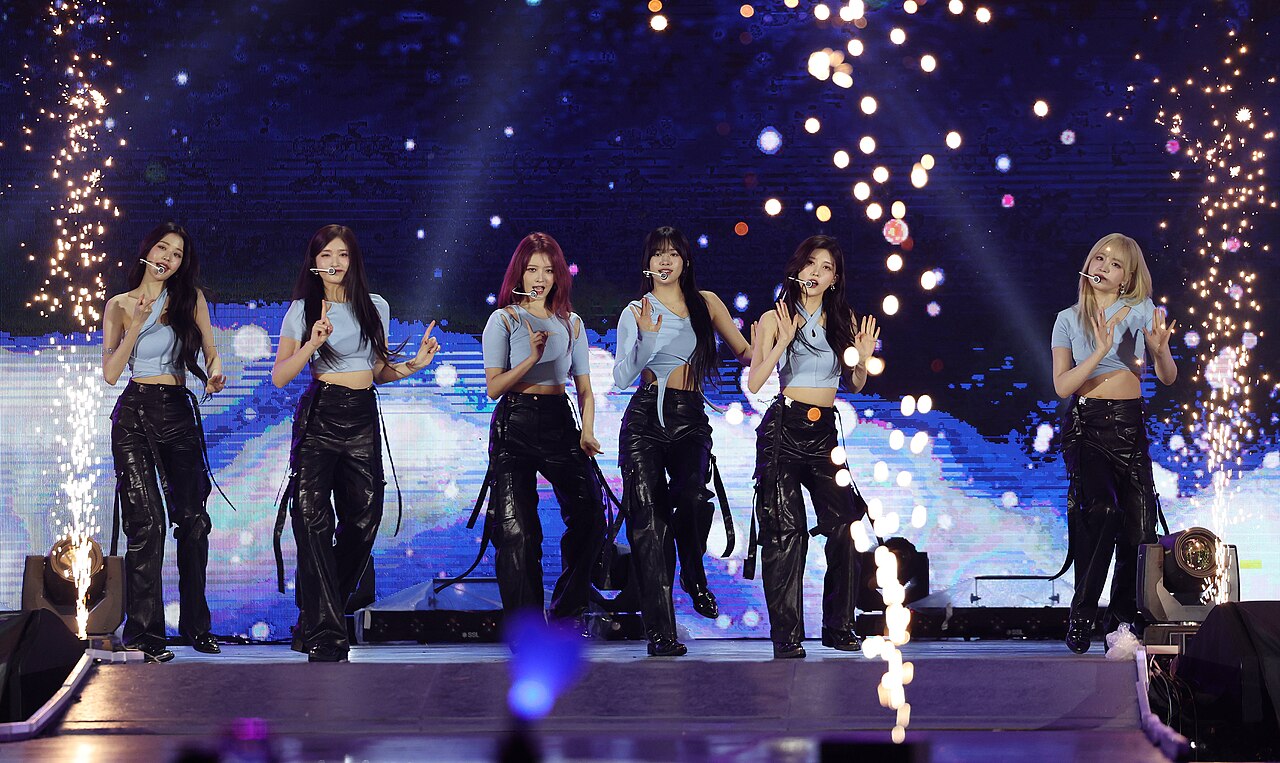
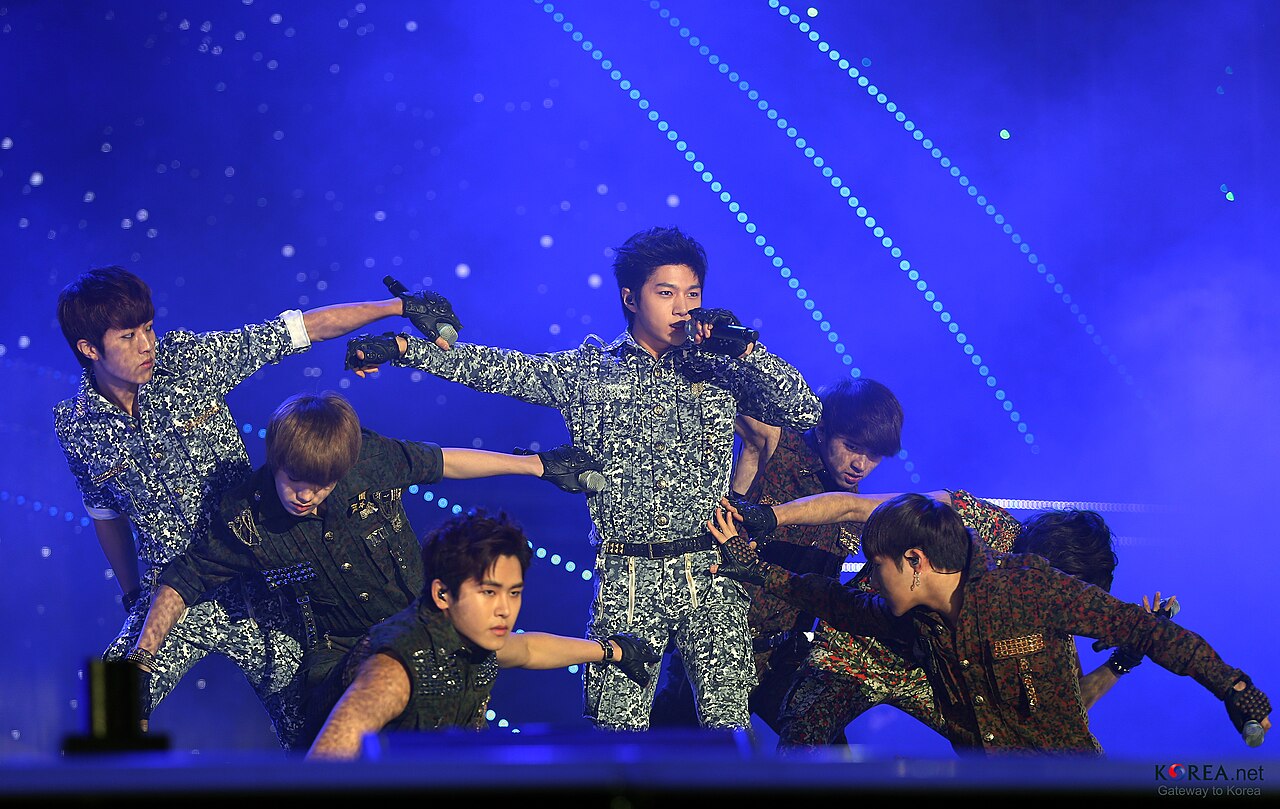
The Korean Wave (한류) has become so successful that it is now being asked to do too much. It must entertain, export, beautify, educate, attract tourists, raise national prestige and validate Korea's place in the global imagination. A BTS concert is no longer just a BTS concert. It is a retail engine, a tourism catalyst, a diplomatic symbol and a branding platform. According to Brand Finance, South Korea ranked 11th in the 2026 Global Soft Power Index, with especially strong rankings in entertainment, technology, food and globally loved brands. Korea's content industry also reached record exports of about $14.08 billion in 2024, according to government-reported industry data.
But influence is not the same as maturity. Visibility is not the same as trust. A country can be loved and still be misunderstood; admired and still be overcommercialized; imitated and still hollowed out from within.
The central question for Korean culture is no longer whether it can go global. It already has. The question is whether it can remain culturally meaningful after becoming globally optimized.

The Beauty of Self-Expression, and the Discipline Behind It
Professor Yoo Seung-chul's comments in Al Jazeera are important because they move the discussion away from celebration and toward structure. He notes that K-culture has strengthened systems of self-expression (자기표현), but also that beauty has become increasingly normalized as a measure of personal and social value. In the same report, he links webtoons, plastic-surgery narratives and platforms such as Unni to a decline in stigma around cosmetic procedures among younger audiences.
This is the unresolved moral tension of K-beauty (케이뷰티). At its best, K-beauty democratizes care. It offers rituals, textures, affordable innovation and a language of self-presentation that travels across borders. It allows a teenager in Manila, a student in Paris or a creator in São Paulo to participate in Korean culture without needing to speak Korean fluently or visit Seoul. The global numbers are striking: Korean cosmetics exports reached a record $11.43 billion in 2025, with exports going to 202 countries.
Yet K-beauty also exports a standard. The glass skin ideal, the idol face, the camera-ready jawline, the edited profile and the medically assisted body can easily move from aspiration to discipline. What begins as self-expression may become self-surveillance. What is marketed as care can become compliance.
This is not a uniquely Korean problem. Every major culture industry manufactures desire. Hollywood created bodies; Paris created fashion hierarchies; Silicon Valley created quantified selves. Korea's difference lies in the precision with which entertainment, cosmetics, platforms, clinics and fan culture now interact. The idol is not only a performer. The idol is a beauty template, a shopping interface, a body ideal and a lifestyle tutorial.
The International Society of Aesthetic Plastic Surgery reported nearly 38 million aesthetic procedures worldwide in 2024, with eyelid surgery becoming the most common surgical procedure globally. In that context, Korea's beauty economy cannot pretend to be merely playful or cosmetic. It participates in a global attention economy where faces, bodies and identities are increasingly measured, ranked and monetized.
That does not mean K-beauty should be condemned. It means it should grow up. The next generation of K-beauty branding must shift from beauty capital (외모자본) to dignity capital: aging skin, darker skin, male skincare, disability, post-surgery ethics, mental well-being, body diversity and cultural difference. Korean beauty has already shown the world how to layer products. Now it must show how to layer responsibility.

The Globalization Trap: Losing Korea While Selling Korea
Professor Yoo's most consequential point comes near the end of the Al Jazeera article. He argues that K-content is increasingly designed with global audiences in mind from the outset, from foreign members in idol groups to exportable genres such as horror and science fiction. But he also warns that international audiences do not always prefer the most globalized version of Korean content. Many are drawn precisely to its sense of locality (로컬리티).
This is the globalization trap.
Korean agencies, studios and platforms want scale. Scale demands English lyrics, multinational casts, TikTok-friendly hooks, Netflix pacing, global producers and algorithmically legible genres. But the deeper attraction of Korean culture has rarely been its placelessness. It lies in the friction of place: Seoul apartments, convenience stores, hierarchy, family obligation, exam pressure, neighborhood food, subway melancholy, military service, class anxiety, historical memory and the emotional compression of Korean speech.
Remove too much of that, and Korean content risks becoming a polished export shell: technically excellent, globally accessible, emotionally thinner.
This is why BTS's album title "Arirang" matters symbolically. Arirang (아리랑) is not merely a folk song. It is a cultural memory system, a sound of migration, longing, separation and return. Yet when such symbols are packaged for global markets with heavy English usage and foreign production, they invite a legitimate question: is Korea being translated, or diluted?
The answer need not be pessimistic. Translation is not betrayal. Global collaboration is not cultural loss. Foreign members in K-pop groups are not signs of decline. They may be signs that Hallyu has become a shared platform. But the center must hold. Korean culture should not confuse accessibility with erasure.
A productive next phase would treat local identity (로컬 정체성) not as a decorative asset, but as a strategic foundation. That means investing not only in global tours and export budgets but in labor rights, fair contracts, mental-health systems, creator autonomy (창작 자율성), regional storytelling, subtitling quality, translation literacy, public cultural spaces and data transparency. Al Jazeera's report notes similar concerns from KCTI researcher Yang Ji-hoon, who argued that Korea's cultural industries need stronger underlying systems, not merely direct financial support.
This is where Korea's cultural policy should become less promotional and more institutional. The government should not simply ask how to make K-culture bigger. It should ask how to make it more resilient. Bigger industries can still be fragile industries if they depend on exhausted performers, anxious trainees, overleveraged fandoms and narrow beauty codes.
A better Hallyu 4.0 would not be an empire of export metrics. It would be an ecology: artists with rights, fans with agency, cities with cultural capacity, brands with ethical imagination and platforms with accountability.

Korea has already proved that a small country can shape global desire. The harder task is to shape global trust.
The future of Hallyu will not be decided only by Billboard rankings, Netflix views, cosmetics exports or tourist arrivals. It will be decided by whether Korea can preserve the very thing that made the world care in the first place: the density of Korean life, the ache of Korean stories, the intimacy of Korean language, and the imperfect but unmistakable humanity behind the spectacle.
The world has learned to consume Korea. Now Korea must decide what kind of culture it wants the world to consume.
References
Al Jazeera. (2026, May 2). K-pop's BTS comeback tour rallies South Korea's global "soft power" drive. Al Jazeera.
Brand Finance. (2026, January 27). South Korea ranks 11th for global soft power, strengthened by brands, innovation, and future growth. Brand Finance.
International Society of Aesthetic Plastic Surgery. (2025). Global Survey 2024: Full report and press releases. ISAPS.
Kim, N.-Y. (2026, January 9). Korea's cosmetics exports surpass record $11 billion in 2025. Korea JoongAng Daily.
Korea Foundation. (2024). Global Hallyu fans surpass 225 million. KF Newsletter.
Korea JoongAng Daily. (2026, February 27). Korea's content industry wave breaks export records. Korea JoongAng Daily.