At Cannes Lions 2025, the world's most influential advertising festival, a consensus emerged that few would have predicted a decade ago: K-culture (한류) has become the foundational architecture of global brand creativity — not a borrowed aesthetic, not a passing trend, but the structural grammar through which multinational brands now design consumer relationships.
"K-culture has now moved beyond a single content genre and is changing the very way brands build relationships with younger generations," said Seung-chul Yoo (유승철), professor of media management and marketing communication at Ewha Womans University. "For global brands, K-culture is likely to become not just a source of collaboration, but a creative infrastructure for designing brand experiences."
That framing — infrastructure, not inspiration — marks a decisive shift in how the industry understands what Korea has built over the past two decades. The Lions Daily News, the official publication of Cannes Lions, featured Professor Yoo's analysis as the analytical anchor of its report on entertainment-led advertising, underscoring the growing recognition of Korean academic expertise within global creative discourse.
From Niche to Native Language
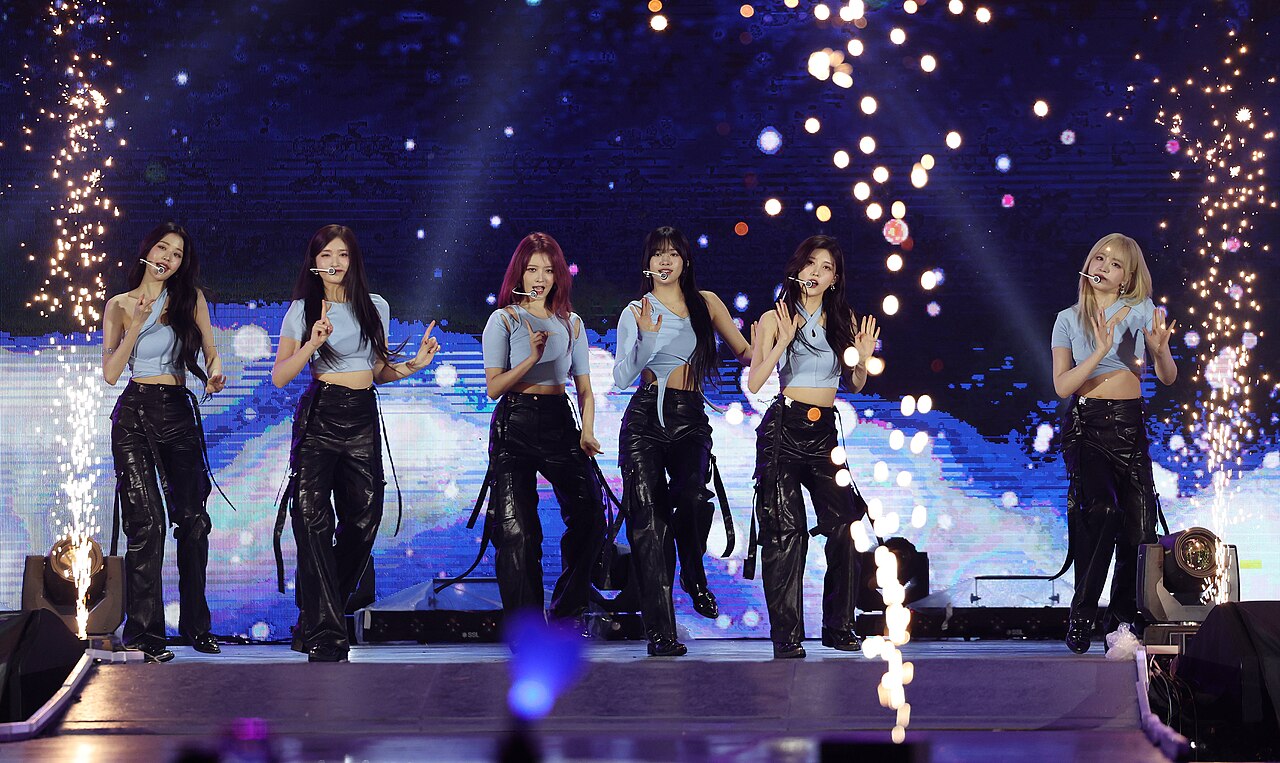
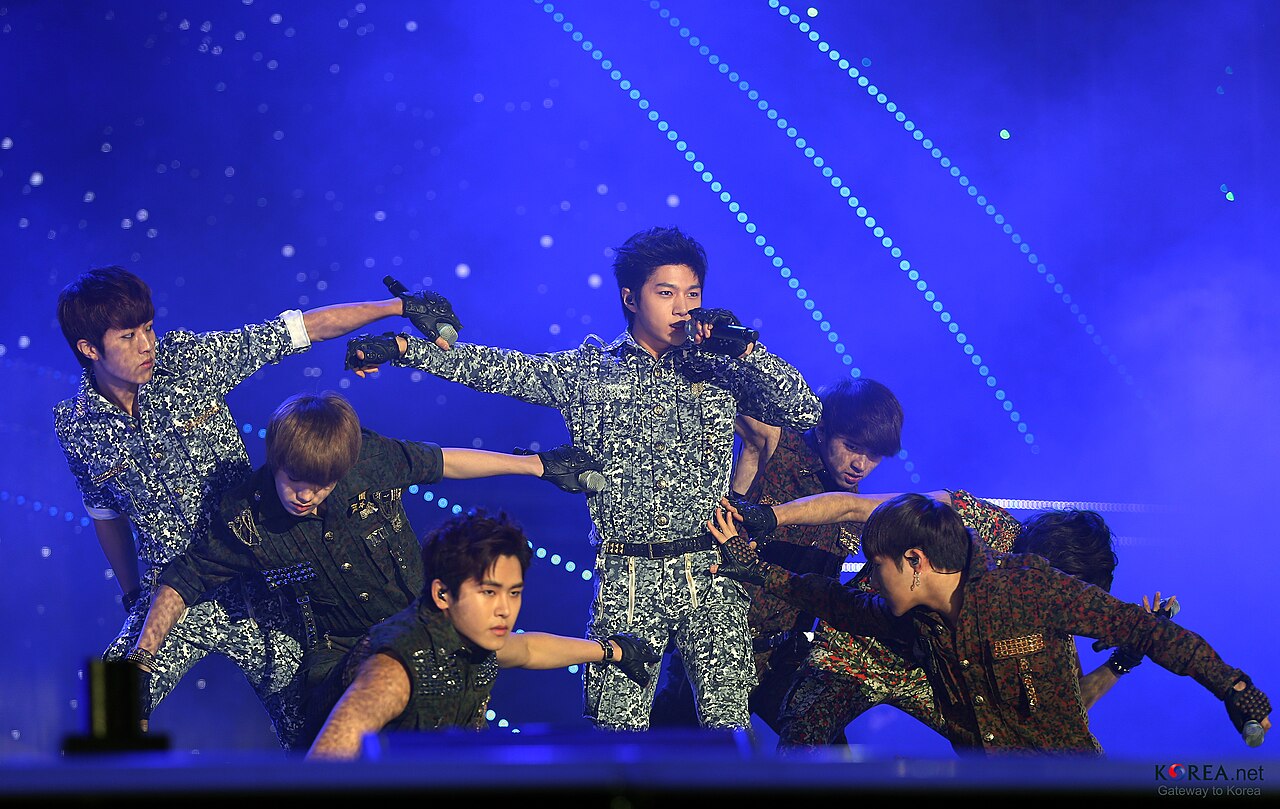
The numbers no longer require qualification. A Billboard survey conducted in 2024 found that 82 percent of respondents listened to K-pop at least once during the week — a figure that would have seemed implausible when Psy's "Gangnam Style" first cracked Western charts in 2012. Today, K-pop groups like ILLIT (아일릿) headline global fashion campaigns for Acne Studios, while streaming properties such as Squid Game (오징어 게임) and K-Pop Demon Hunters generate brand ecosystems that extend far beyond the screen.
What distinguishes the current moment from earlier waves of Hallyu (한류) enthusiasm is the directionality of influence. Brands are no longer simply referencing Korean culture as a signal of cool; they are subordinating their own creative strategies to Korean-originated frameworks. When Netflix launched Squid Game Season 2, chief marketing officer Marian Lee made an explicit and unprecedented decision: the Korean marketing team would set the global creative strategy, with forty international market teams executing locally within that Korean-defined framework. It was, as Lee described it, "very important that the Korea team retained the strategy."
The results validated the approach. Season 2 accumulated 185.2 million views in its first eight weeks, becoming the most-viewed premiere in Netflix history. Brand partnerships — Puma, Kia, Crocs, Duolingo, and dozens of local market collaborators — generated billions of impressions. KFC Spain alone sold over 400,000 units from its Squid Game-themed menu, generating more than four million dollars in four weeks.
The Architecture Beneath the Spectacle
What makes Professor Yoo's "creative infrastructure" framing analytically precise is that it captures something the industry has struggled to articulate: K-culture does not merely provide content for brands to borrow. It provides a system — a set of aesthetic logics, emotional grammars, and audience engagement protocols — that brands can inhabit and build upon.
Yubin Bang (방유빈), creative director at Cheil Seoul (제일기획), describes this architecture in terms of cultural authenticity and emotional depth. "When brands approach Korean cultural elements with authenticity, they are rewarded not only with strong sales but also with elevated brand equity," Bang observed in a September 2025 interview with LBB Online. The critical variable is not visibility but sincerity: audiences — Korean and global alike — have developed sophisticated radar for the difference between genuine cultural engagement and surface-level appropriation.
This is precisely the dynamic that K-Pop Demon Hunters exploited so effectively. By weaving Korea's shamanistic traditions (무속) into the globally familiar idiom of K-pop idol culture, the series created a fandom that extended well beyond Korea while remaining rooted in specifically Korean cultural logic. Even incidental product placements — cup noodles, convenience store snacks — sparked global consumer demand, demonstrating that when cultural authenticity is achieved at the narrative level, commercial resonance follows organically.
What Cannes Recognized
The significance of Cannes Lions 2025 is not simply that K-culture appeared on the programme. It is that the festival's most authoritative publication chose to frame the emerging paradigm of entertainment-led advertising through the lens of Korean cultural theory. Professor Yoo's formulation — K-culture as creative infrastructure — was presented not as a regional observation but as a diagnosis of where global brand strategy is heading.
That diagnosis carries implications that extend beyond marketing. If K-culture has become the infrastructure of global brand creativity, then Korea's cultural industries are no longer operating as content suppliers to a Western-dominated system. They are operating as architects of that system's next phase. The creative grammar being written in Seoul's production studios, idol training facilities, and digital storytelling platforms is increasingly the grammar that global brands must learn to speak.
For researchers in media management and marketing communication, this transition demands new theoretical frameworks. The standard models of soft power (소프트파워) and cultural diffusion were designed to explain how culture travels across borders. They were not designed to explain how a culture becomes the operating system of global commercial creativity. That is the question Cannes Lions 2025 placed on the table — and it is a question that Korean scholarship is now uniquely positioned to answer.
Source: Lions Daily News, Cannes Lions 2025 — "How K-culture is redefining creativity" (BrandBrief / Sookyung Kim & Dajeong Yu). Additional reporting from LBB Online and Fast Company.