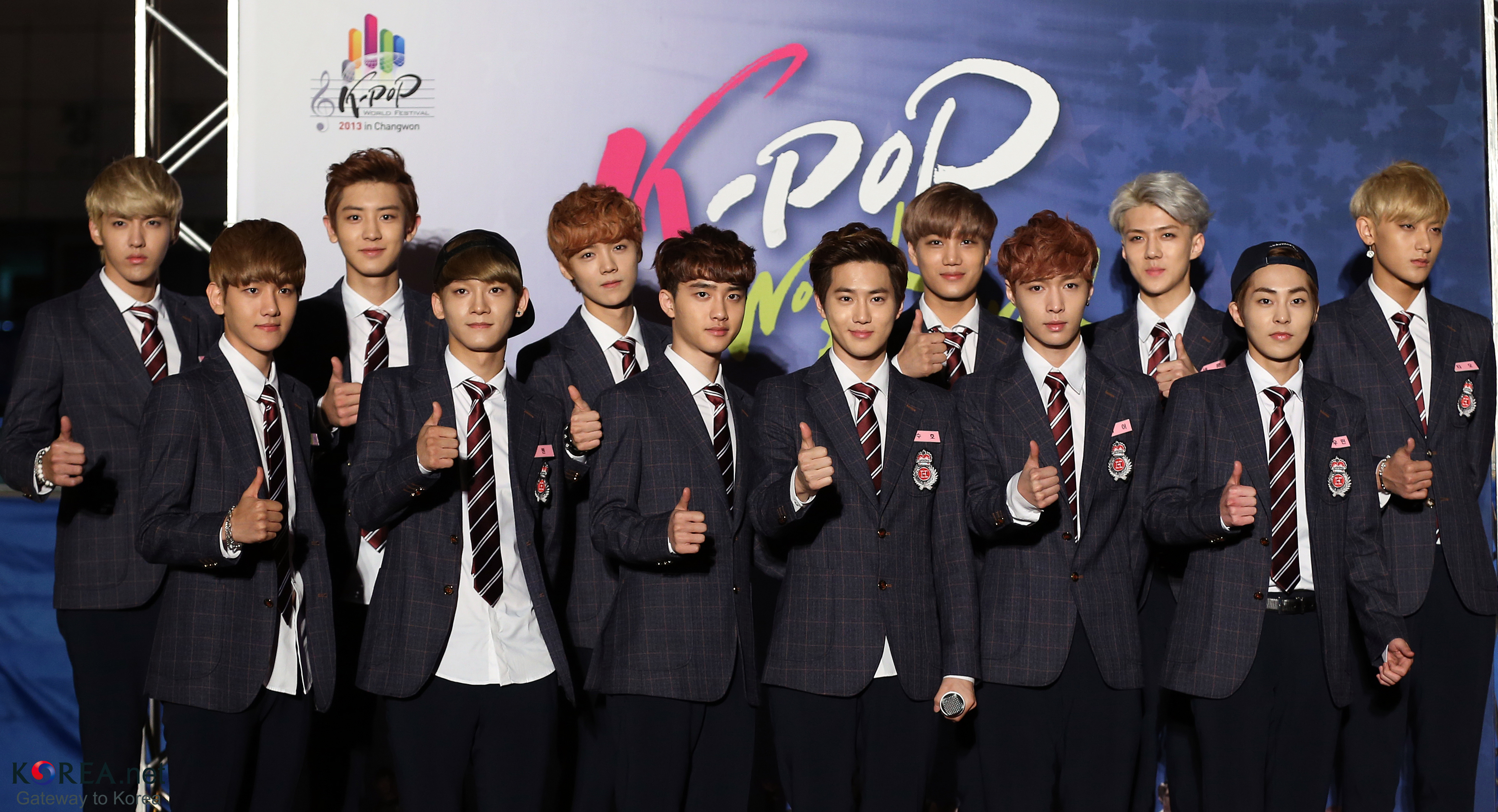
The face of a materials company is not a laboratory in this campaign. It is Park Jung-min, surrounded by a family and ordinary objects. Samyang Group’s 2026 corporate advertising puts specialized chemistry into a setting that needs no technical introduction. The interesting question is whether the audience remembers the material behind the joke—or simply the actor delivering it.
Launched on October 22, the campaign is identified by its agency, INNOCEAN, as “Samyang Specialty, Make Impossible Possible.” Its Korean line, 말도 안 되는 것을 말이 되게, also carries the idea of making something that sounds nonsensical make sense. That second meaning is especially useful for a business whose ingredients usually reach consumers inside someone else’s product.
Beyond “not the noodle company”
This is Samyang Group, the chemicals, food-ingredients and biopharmaceutical business—not Samyang Foods, the company associated with instant noodles. Correcting that confusion is a starting point, not a complete brand identity. Knowing what a company is not does little to explain why its work matters.
In Kim Ji-eun’s November 26 report for ThePR, Samyang Holdings communications manager Choi Seo-yeon describes the remaining difficulty: viewers could enjoy the advertising without clearly understanding “specialty.” The strategic task is therefore more specific than increasing name recognition. It is to connect an unfamiliar business category with a use that people can picture.
Let the question arrive before the explanation
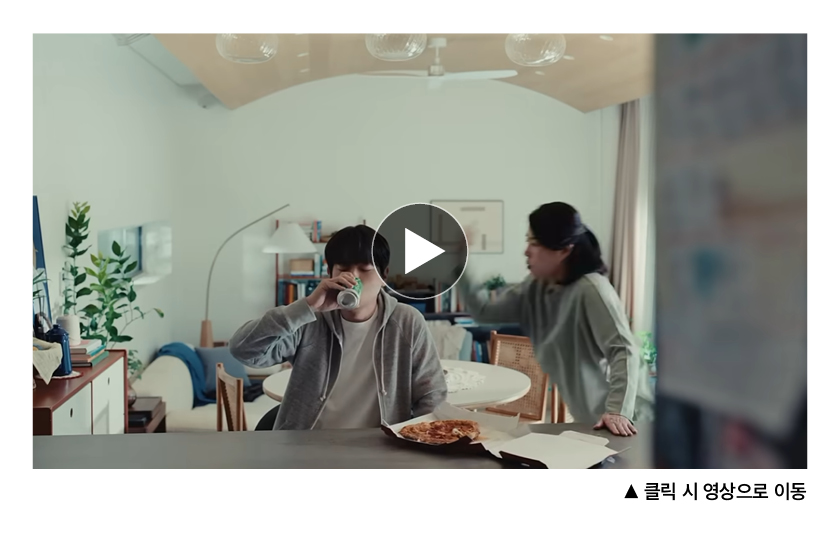
Park’s deadpan delivery provides that opening. Everyday objects acquire unexpected meanings: corn points toward polymer ingredients; exceptionally clean water points toward semiconductor manufacturing. The creative mechanism is the gap between a familiar object and an unfamiliar application. Instead of asking the audience to memorize a technical term immediately, the advertisement gives it a reason to want the explanation.
The family setting matters as much as the line. A corporate claim arrives as a conversation, rather than a presentation from a distant institution. The supplied campaign poster reinforces this approach: faces and household props occupy the foreground of the brand story. But the same casting creates a risk. If viewers remember Park’s performance without linking the surprise to Samyang, the entertainment has travelled farther than the corporate meaning.
Five materials, five different promises
The campaign’s five subjects should not be collapsed into one promise of miraculous science. Allulose is a low-calorie sugar ingredient that can help food manufacturers reduce sugar and calories in a formulation. That is not a guarantee that any sweet food containing it prevents weight gain. Isosorbide follows a corn-starch-to-glucose-to-sorbitol production pathway before becoming a polymer feedstock. Corn is the starting material, not an ear turning directly into finished plastic; bio-based also does not automatically mean biodegradable.
TRILITE ion-exchange resins help remove dissolved ions and polish water within multistage ultrapure-water systems used in semiconductor production. Here, the image of water sustaining a chip is an advertising shorthand for an industrial process. The value lies in making that process imaginable, not in presenting resin as the entire purification system.
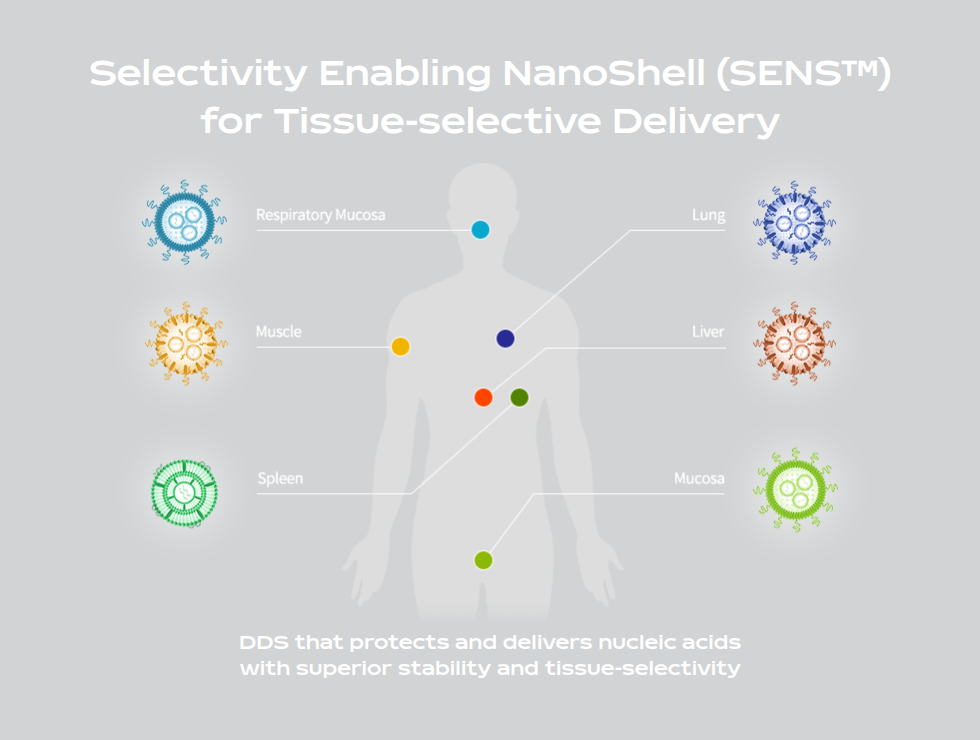
The medical subjects require another distinction. SENS—Selectivity Enabling NanoShell—is Samyang’s gene-delivery R&D platform, using ionizable lipids and biodegradable polymers. A delivery platform is not itself evidence of an approved gene therapy or a clinical cure. Absorbable sutures, meanwhile, support wound closure and are absorbed over time. These examples make “specialty” concrete, provided the explanation keeps each material’s function and limits intact.
Comments are a conversation, not a survey
ThePR’s interview also describes an earlier audience joke that helped inspire “specialty” T-shirts. Samyang’s official newsletter places that experiment within its effort to make a distant B2B identity approachable. The useful move was not simply reading comments. It was letting an audience association become something people could wear and share.
That is a practical form of participation, but comments are a self-selected conversation. They can reveal misunderstandings and creative possibilities without representing everyone who saw the advertisement. For a materials company, the opportunity is to use that conversation to improve the next explanation—not to treat a lively thread as proof that the public now understands the business.
Sixteen million plays still leave one question
According to Samyang’s figures reported by ThePR, the campaign accumulated approximately 16 million YouTube plays, including Shorts, by November 18. This is a company-reported combined play count, not 16 million unique people, independently audited reach or a measure of brand understanding. The number establishes the scale of reported viewing; it cannot establish what viewers learned.
Seoul Signals editor Seung-chul Yoo made this distinction in his comments to ThePR: enjoying an advertisement and understanding a company are different outcomes. A more informative next test would ask viewers, after the entertainment has faded, which company they remember and what its materials do. Samyang’s strongest proposition is not that science can sound impossible. It is that an invisible supplier can become recognizable through accurate, memorable explanations of everyday value.
Watch the official campaign
Watch Samyang Group’s official allulose film on YouTube. For the corn-to-materials story, watch the official isosorbide episode. Playback and sign-in requirements may vary by location and browser.
Sources & Notes
This independent English analysis draws on Kim Ji-eun’s ThePR report and interview, November 26, 2026, INNOCEAN’s official campaign listing and Samyang Group’s November 4 newsletter. It is not a translation or republication of the full interview. Official material pages linked above describe the supplier’s technologies, not independent health, environmental or advertising-effectiveness tests. Assessment as of November 26, 2026. Campaign imagery and the SENS diagram remain rights-reserved and are presented here for discussion of their communication; no open licence is claimed.